
... and a Carnivorous Plant Pal!
Get ready to jump into the amazing world of frogs (and a plant that likes to snack on them!) with these fun facts inspired by our ‘Frog Chess’ game! We’ve picked three incredible frog species from different corners of the globe and added a fascinating plant featured in our game’s artwork to show just how wild and wonderful these creatures and their world can be.
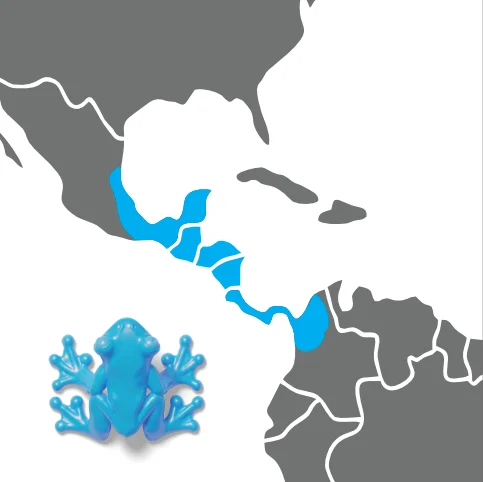
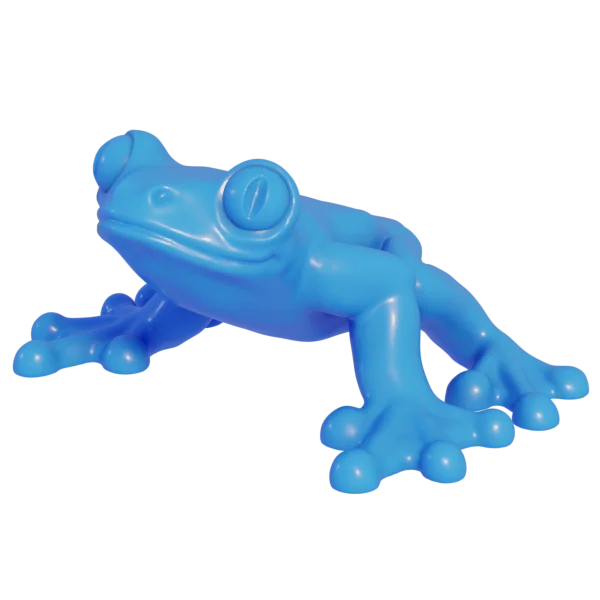
Agalychnis callidryas
The Dazzling Red-Eyed Tree Frog (Central/South America)
Meet the Red-Eyed Tree Frog (Agalychnis callidryas)! Represented by the cool blue pieces in our game, these vibrant frogs are true rainforest gems. They hang out in the humid lowlands and rainforests mainly in Central America and parts of South America.
Nature’s Alarm System: When startled, this frog doesn’t just freeze – it flashes its brilliant red eyes, shows off its bright orange webbed feet, and reveals stunning blue and yellow stripes down its sides. This sudden burst of color is meant to shock and confuse predators, giving the frog just enough time to make a quick getaway!
Leafy Nurseries: Forget pond scum! Female Red-Eyed Tree Frogs are super creative moms, laying their eggs on the underside of leaves that hang right over water. When the tiny tadpoles hatch, they simply drop down into the water below to continue growing. How’s that for a grand entrance?
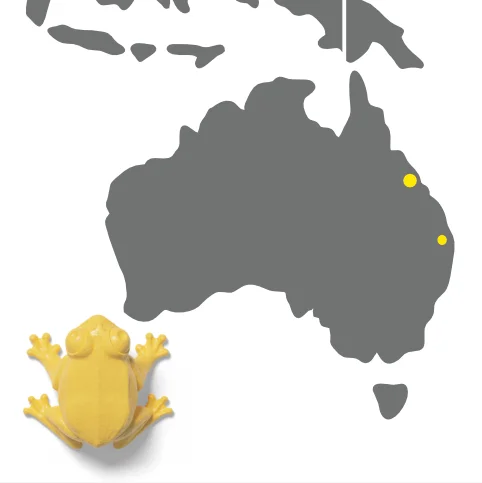
Rheobatrachus silus
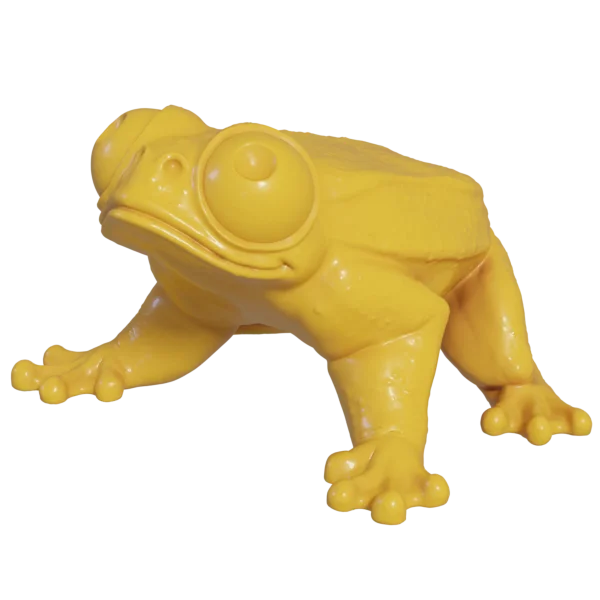
Rheobatrachus vitellinus
The Amazing (and Extinct) Gastric Brooding Frog (Australia)
Say hello to the Gastric Brooding Frog (Rheobatrachus silus & Rheobatrachus vitellinus), featured as the yellow pieces in our game! These unique frogs were native to Queensland in eastern Australia until they went extinct in the mid-1980s.
The Ultimate Stomach-Carrier: Prepare to be amazed! The female Gastric Brooding Frog had one of the most bizarre ways to raise her young – she would swallow her fertilized eggs and carry them in her stomach!
A Barfing Welcome: When the baby frogs were fully developed and ready to face the world, the female frog would literally barf them up out of her mouth! Talk about a unique way to be born!
Hopes for Revival: There’s a glimmer of hope! Scientists are actively working to bring this incredible species back to life using cloning methods.
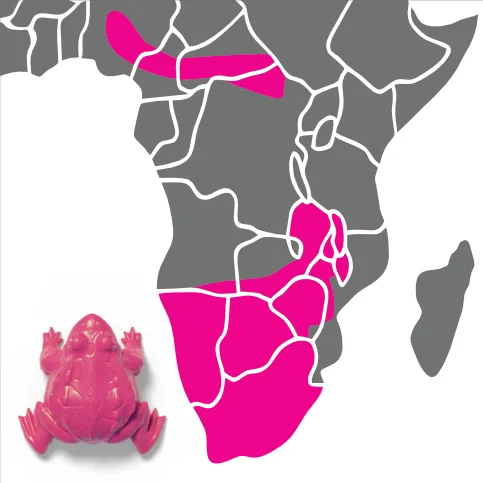
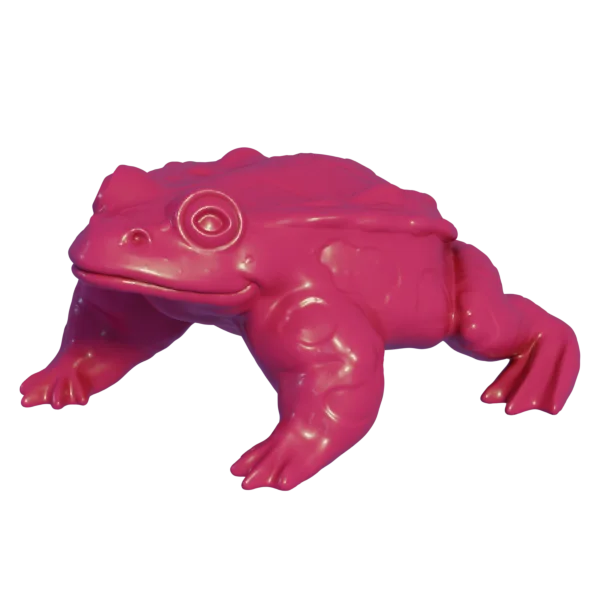
Xenopus laevis
The Resilient African Clawed Frog (Africa)
Check out the African Clawed Frog (Xenopus laevis)! Represented by the bold red pieces, these tough frogs are native mostly in southern Africa.
Almost Fully Aquatic: These frogs are practically fish! They spend almost all their time in the water, preferring warm, stagnant pools and quiet streams, thriving in temperatures from 60 to 80 degrees Fahrenheit.
Drought Survivors: Nature’s survivalists! During times of drought, the clawed frogs can burrow into the mud, becoming dormant for up to a year.
Unusual Features: They break the frog mold! These frogs do not have eyelids, tongues, teeth, vocal sacs, or true ears.
A Pregnancy Test? Believe it or not, during the 1940s, female African clawed frogs were used as indicators of human pregnancy! Female frogs were injected with urine from a human female, and the injected frog would start producing eggs if the woman was pregnant. Science works in mysterious ways!
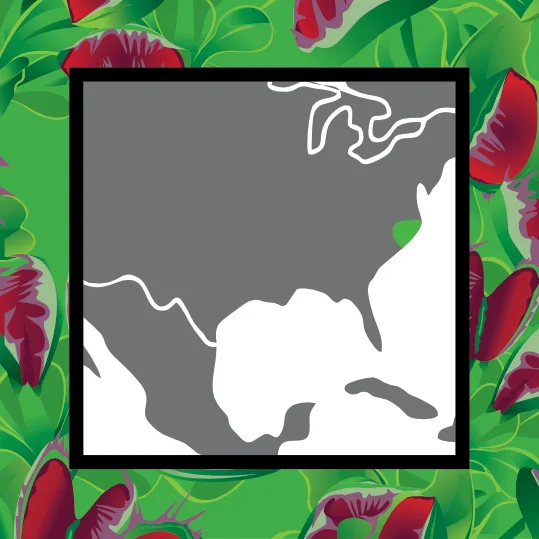
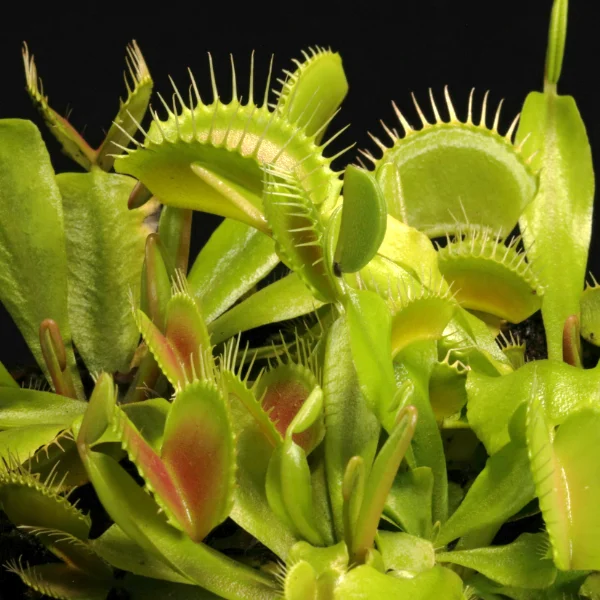
Dionaea muscipula
The Tricky Venus Flytrap (North America)
Featured in the green border of our game, the Venus Flytrap (Dionaea muscipula) is a carnivorous plant found in the wetlands of North and South Carolina. While not a frog, its unique diet makes it a fascinating part of a frog’s potential world!
Nature’s Little Trap: This plant is a cunning hunter! Venus flytraps feed on insects, spiders, slugs, frogs, and anything else small enough to wander into its “jaw”-like clamping structure.
Trigger Happy: Its traps are surprisingly sensitive! Prey movements trigger the “jaws” to snap shut via tiny “trigger hairs” on their inner surfaces. But it’s not too hasty; when an insect or spider touches one hair, the trap gets ready but only fully closes if a second hair is touched within about twenty seconds!
Facing Challenges: Unfortunately, the population of the Venus flytrap has been rapidly declining in its native range. As of 2017, it was under review for the Endangered Species Act by the U.S. Fish & Wildlife Service.